1855–1860s · Millville, Cache Valley, Utah
Pioneers of Millville
The Garr Brothers Build a New Home in Cache Valley
Curated by Dustin Garr
When Fielding Garr passed away in 1855, he left behind not just a legacy but a challenge. His four sons, John T., William H., Abel W., and Benjamin F. Garr, now had to forge their own path. They chose to head north, to the vast and largely unsettled Cache Valley.
Cache Valley in the mid-1850s was frontier country in every sense. Nestled between mountain ranges in northern Utah, it offered rich grasslands and water from the Bear River and its tributaries, ideal ranching country for men who had grown up managing herds on Antelope Island. But it was also remote, harsh in winter, and home to few Anglo settlers.
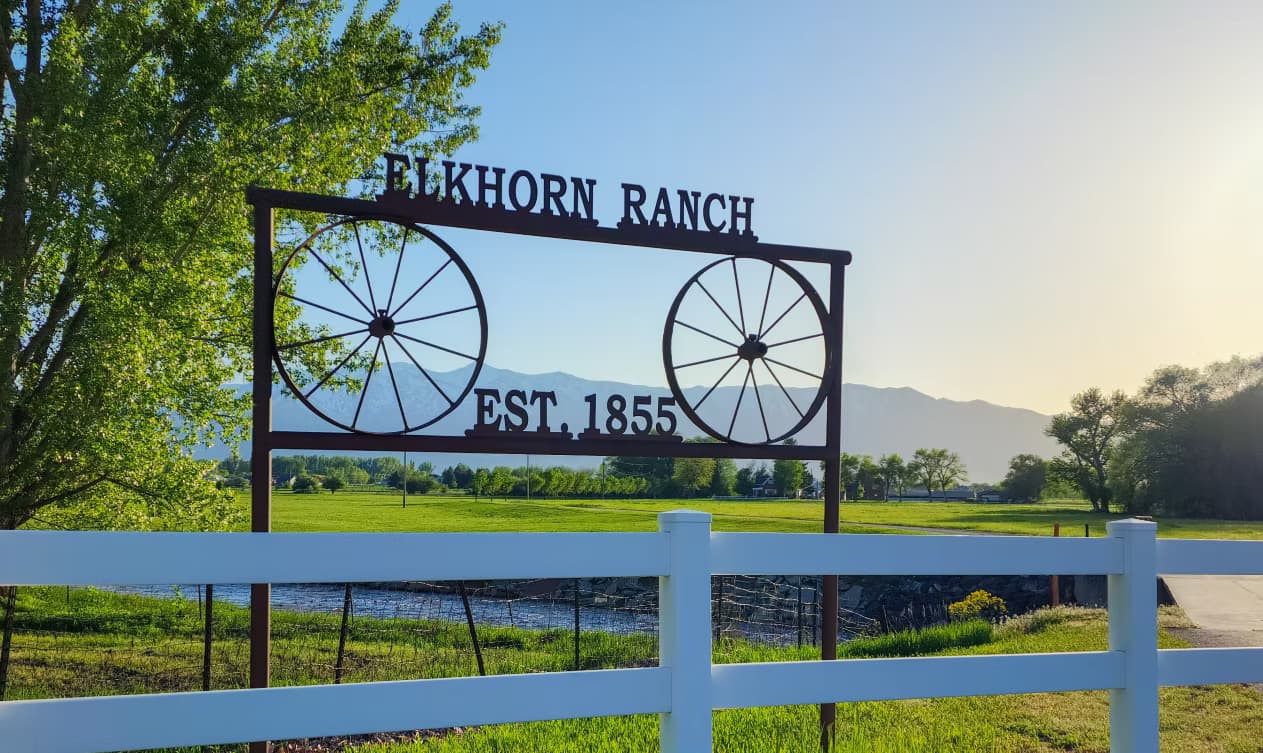
The Garr brothers were among the earliest to stake claims in what would become Millville. They established the Elkhorn Ranch, named for the elk that still roamed the valley in those days, and set about building the kind of working operation their father had modeled on Antelope Island. It was hard, physical work, clearing land, building fences and structures, managing livestock through long mountain winters.
But the brothers brought something invaluable to Cache Valley: experience. They had grown up on one of the most isolated ranches in the territory. They knew how to keep cattle alive through brutal winters, how to break horses, how to build structures that would stand against the elements. These weren't greenhorns, they were some of the most capable ranchers in Utah.
As Millville grew from a handful of homesteads into a proper settlement, the Garr family remained at its center. The Elkhorn Ranch became a landmark, and the brothers became pillars of the community, the kind of founding families whose contributions are woven into the very identity of a place. To this day, the Garr name is part of Cache Valley's story.