1848 · Antelope Island, Utah
The Fielding Garr Ranch
A Legacy Carved in Stone on Antelope Island
Curated by Dustin Garr
In 1848, the Great Salt Lake's largest island was a wild, windswept place, miles of open grassland surrounded by cold, saline water, with herds of antelope roaming freely across its ridges. It was here that Fielding Garr received a remarkable assignment from The Church of Jesus Christ of Latter-day Saints: establish a working ranch to manage the church's tithing herds of cattle and horses.
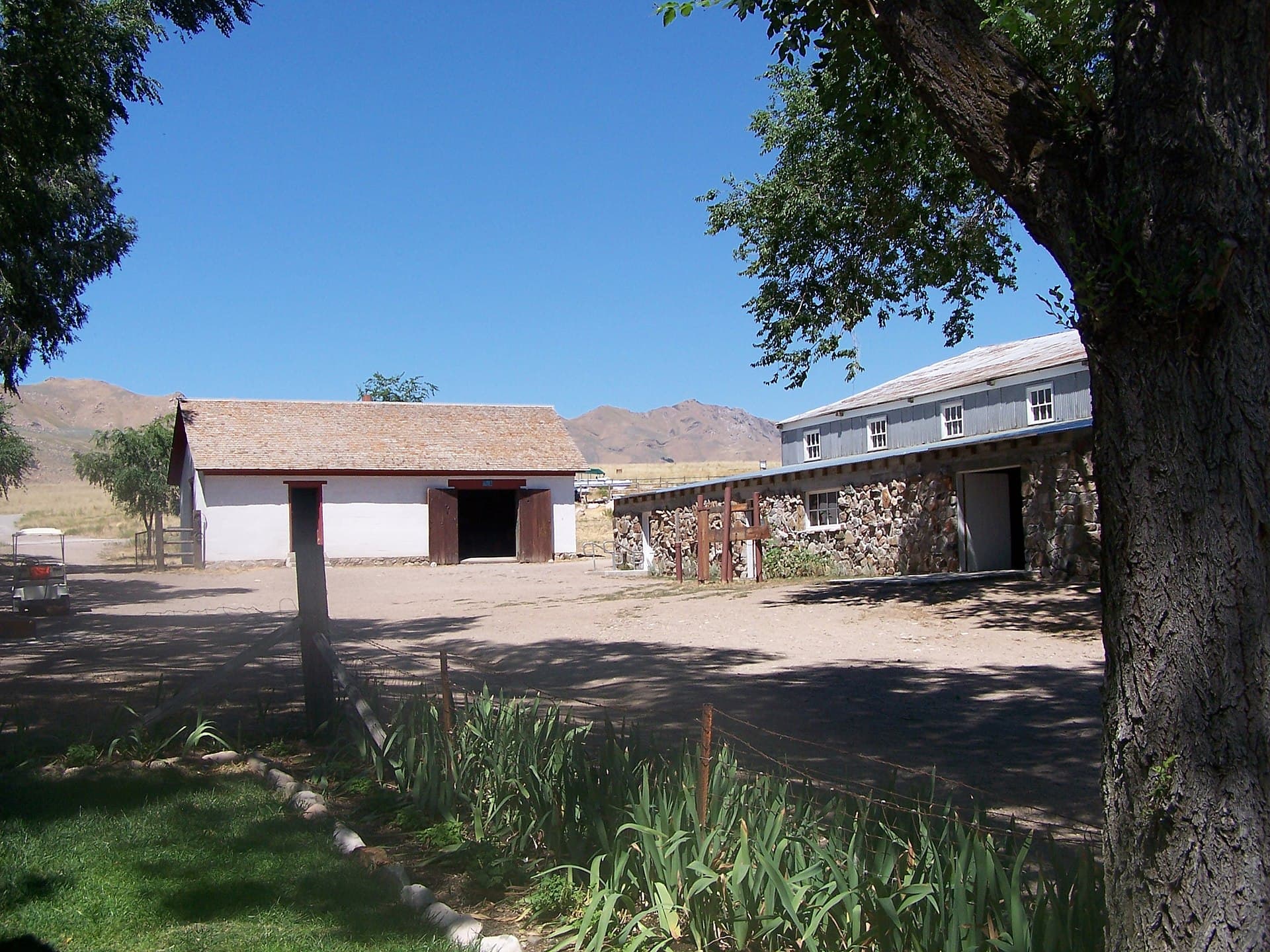
Fielding Garr and his family made the crossing to Antelope Island and set about the formidable work of building a homestead from the ground up. Using local stone, they constructed ranch buildings that were as sturdy and practical as the family itself, structures built to endure the harsh winters, the isolation, and the relentless wind off the Great Salt Lake.
The Fielding Garr Ranch became the operational heart of Antelope Island. Cattle grazed on the island's native grasses, horses were broken and trained, and the Garr family managed it all with a combination of frontier skill and sheer determination. The ranch wasn't just a workplace, it was a home, a community outpost, and a symbol of what one family could build in the wilderness.
What makes the Fielding Garr Ranch truly remarkable is its endurance. The original stone structures, some of the oldest Anglo-built structures in all of Utah, still stand today, preserved as part of Antelope Island State Park. Visitors can walk the same ground Fielding Garr walked, touch the same walls his family raised, and look out across the same vast lake that defined their daily lives.
The ranch remained under family management for years after Fielding's passing, a testament to the deep roots the Garr family had planted on that remote island. Today, it serves as a living museum, not just of pioneer life, but of one family's extraordinary commitment to building something that would last.